Table of Content
This article was co-authored by Noël Reid-Killings. Noël Reid-Killings is a Professional Hair Stylist and the Owner of Noël New York Salon & Boutique. With over a decade of experience, Noël specializes in curating and customizing hair solutions for all hair types and textures. She has worked with countless A-list celebrities including Alicia Keys, Ciara, Yara Shahidi, and Simone Missick.

Well, coconut oil increases protein concentration in your hair, which is great as it helps with follicle structure. However, on the flip side, this can also make hair stiff and cause a build-up of oils on your scalp – triggering an increase in dandruff. Healthline has strict sourcing guidelines and relies on peer-reviewed studies, academic research institutions, and medical associations. Coconut oil may help heal or prevent dandruff and other fungi on the scalp. More research is needed to know if coconut oil has the same health benefits on the skin and scalp.
Hair Care
However, coconut oil can help improve hair and scalp health. This might make hair look like it’s growing faster. Use your favorite shampoo and warm water to wash out the mask. It may take two shampoos to fully get the mask out. Since the mask itself is so hydrating, you might find you don’t need to apply conditioner.
One of the benefits of hair products formulated with coconut oil is their ability to help manage noticeable frizzy hair and flyaways. Visible frizz is a telltale sign of dry-looking hair. Frizzy hair can occur when the outer-cuticle layer of the hair shaft is raised, allowing moisture to seep out. If hair is well moisturized you can help address this visible hair issue and help minimize the appearance of your hair frizz. Look for leave-in hair treatments formulated with coconut oil, to help manage frizzy-looking hair.
The benefits of a coconut oil hair mask and how to make them at home
Use virgin or refined coconut oil to ensure there are no added ingredients. Melt the coconut oil to make it easier to apply. Step Three - Keep the coconut oil mask in for up to 30 minutes. Then, as mentioned above, you simply rinse, shampoo, condition and rinse again for silky and nourished hair!
If you’re in a hurry, you can skip the wait and go straight to the rinsing. But for best results, we recommend leaving it in for the full 30 minutes. Micellar shampoo can help clarify your hair without stripping it of moisture. These are eight of the best micellar shampoos for all hair types. However, there aren’t any specific studies on whether one type of coconut oil is better for your hair than another.
Tips For Using Coconut Oil In Your Hair Care
The cuticle is the tough, protective outer layer of your hair. This is the soft, central part of the hair shaft. Interestingly, thick hair contains large amounts of medulla, while fine hair has almost none. To better understand why this happens, you’ll need to know more about your hair’s structure. Nick Blackmer is a librarian, fact-checker, and researcher with more than 20 years’ experience in consumer-oriented health and wellness content.
Leave it overnight and wash it off with shampoo in the morning. Simply applying the oil allows hair that has already detached from your scalp to fall away. One small study found that when combined with anise in a spray, coconut oil was 40% more effective at treating head lice than the chemical permethrin . There is no evidence to support the use of coconut oil to promote hair growth. Fortunately, in many cases, hair will grow back on its own after chemotherapy is finished. This can take between four to six weeks, though that varies.
Coconut oil and honey hair mask
Melt two tablespoons of the oil over the stove, or pop it in the microwave for a few seconds. However, using too much could cause a buildup of oil on your hair and scalp. Coconut oil is generally considered safe to apply to your skin and hair . Coconut oil may also have other benefits for your hair. However, many of them haven’t been examined in properly controlled studies.
This was true for undamaged and damaged hair when participants used the oil as a prewash and post-wash grooming product. Before diving into the details of how coconut oil can benefit the surface of your skin, it’s worth thinking back—maybe way, way back—to biology class. It can also help keep the good stuff, like moisture, in the skin where it belongs. If this barrier becomes compromised or damaged by these external aggressors, moisture can seep out of skin, which may lead to dry-looking skin. Research shows that skincare products formulated with coconut oil may help to improve the look of dry, rough skin. In recent years, coconut oil has proved something of a cultural phenomenon.
While there isn’t any scientific research on the link between collagen and hair, personal testimonies and theories claim that collagen treatments are beneficial. And there’s no evidence that collagen supplements are specifically helpful—eating a healthy diet is the best way to get collagen. In a 2015 report, researchers reviewed several studies testing the effects of plant-based oils on human hair. Thus, coconut oil which contains about 0.20 mg vitamin E/ 100 gms, can be used as a combination treatment with other keshya herbs to treat alopecia. From an Ayurvedic point of view, coconut oil pacifies the main doshas of Vata and Pitta .
However, there’s some concern that repeated use of coconut oil may lead to hair stiffness for those with coarse hair textures. This would make it a good treatment for both dandruff and dry skin. Be the first to know about brand new products, trending looks, expert advice, exclusive offers and more.
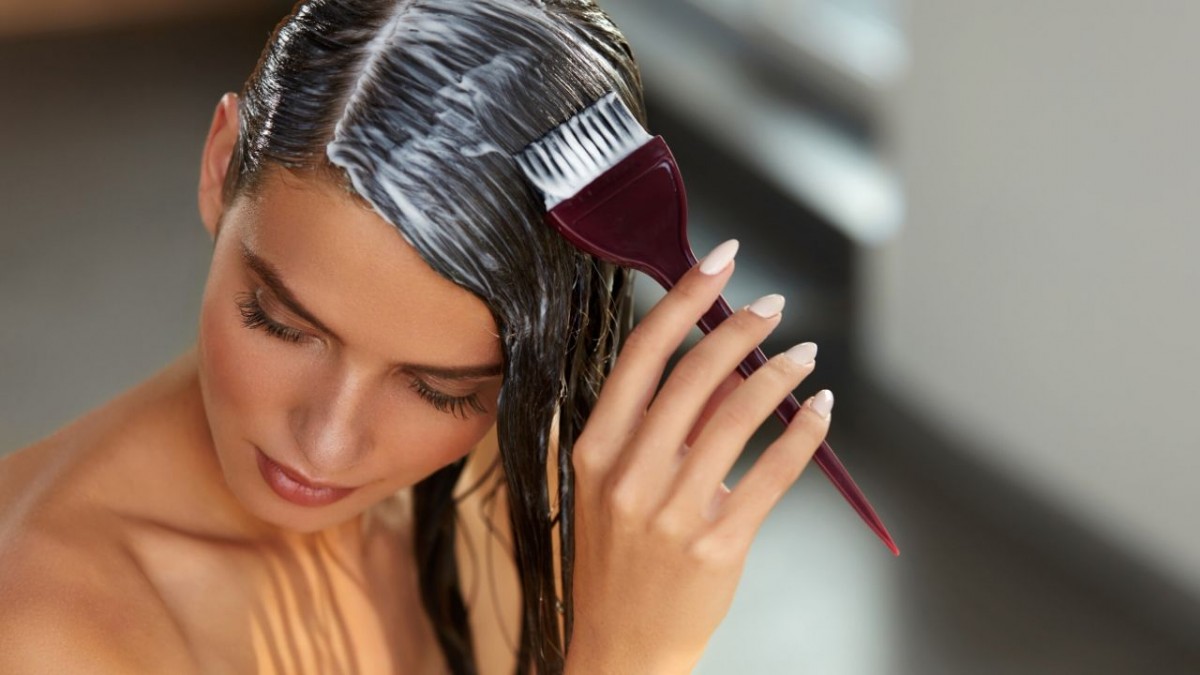
Between chemical treatments, heat styling, and environmental exposure, your hair can become fragile and damaged over time. Fortunately, there are ways to help protect your hair, and research has shown that coconut oil may have certain properties that can help keep your hair healthy. To use coconut oil for your hair, start by rubbing the oil into your hair with your fingers and massaging it all over in sections.


No comments:
Post a Comment